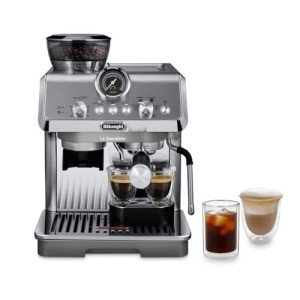
Heat Exchange Espresso Machines: A Comprehensive Guide
Espresso machines have evolved substantially throughout the years, catering to the needs of home baristas and coffee experts alike. Among these machines, heat exchange espresso machines have gained popularity due to their ability to deliver constant performance and remarkable brew quality. In this short article, we will check out the functions, benefits, and crucial functions of heat exchange espresso machines, supplying an extensive understanding for both possible purchasers and coffee enthusiasts.
Comprehending Heat Exchange Technology
Heat exchange espresso machines run on an unique concept that allows simultaneous water heating for brewing and steaming. They are geared up with a single boiler that makes use of a heat exchanger system. This feature is substantial as it allows users to brew espresso while steaming milk concurrently, promoting efficiency in the coffee-making process.
How Does a Heat Exchange Espresso Machine Work?
The process begins with the machine's water inlet filling the boiler. As the water warms up, it turns to steam. The ingenious heat exchanger utilizes hot steam to heat additional water in a separate passage designed particularly for the brew group. This indicates that water can reach the perfect brewing temperature without waiting for the boiler to change. The key steps include:
- Water Fill: Water is drawn into the boiler.
- Heating Process: The boiler warms up as water is converted into steam.
- Heat Exchange: Steam heats up water in the heat exchanger tube.
- Developing: Water from the heat exchanger is pressed through coffee grounds, extracting the flavors needed for an abundant espresso.
This procedure permits quick temperature adjustments and enhanced coffee extraction.
Advantages of Heat Exchange Espresso Machines
Heat exchange espresso machines offer several benefits, especially for those wanting to maximize their coffee experience. Here are some key benefits:
- Simultaneous Brewing and Steaming: Users can brew espresso while steaming milk, making it ideal for hectic coffee shops and home baristas who value performance.
- Temperature Stability: The boiler's steam pressure assists preserve a stable temperature level, which is important for consistent espresso extraction.
- Flexibility: The design permits quick changing between brewing and steaming, making it much easier to create various coffee beverages, from lattes to cappuccinos.
- Easy to use: Models typically include accessible controls, making it feasible for both novices and experienced baristas to produce quality drinks.
- Professional Quality: Heat exchange machines are often utilized in commercial settings, providing users with high-quality brewing efficiency at home.
Secret Features to Look for in Heat Exchange Espresso Machines
When considering the purchase of a heat exchange espresso machine, there are numerous features that a person should take into consideration:
- Build Quality: Look for machines made of long lasting products, such as stainless-steel or brass, guaranteeing longevity.
- Boiler Size: A larger boiler will hold more water and sustain higher output gradually.
- PID Temperature Control: This function helps keep constant brew temperature levels, which can improve the coffee-making procedure.
- Group Head Design: Machines with a saturated or semi-saturated group head supply much better temperature level stability.
- Relieve of Use: User-friendly interfaces and user-friendly controls boost the overall experience for baristas at all skill levels.
- Steam Wand Quality: A good steam wand with appropriate insulation and versatility enables much better texturing of milk.
- Water Reservoir Size: Depending on your requirements, consider how often you want to fill up the water reservoir.
Comparison of Popular Heat Exchange Espresso Machines
To much better comprehend the options available in the market, listed below is a contrast table of some popular heat exchange espresso machines:
| Machine Model | Boiler Size | PID Control | Price Range | User Ratings |
|---|---|---|---|---|
| Profitec Pro 700 | 2.0 L | Yes | ₤ 2,000-₤ 2,500 | 9.5/ 10 |
| Rocket Espresso R58 | 1.8 L | Yes | ₤ 2,400-₤ 2,800 | 9.4/ 10 |
| Elekta Bianca | 1.8 L | Yes | ₤ 2,500-₤ 3,000 | 9.6/ 10 |
| La Spaziale S1 Vivaldi II | 1.5 L | Yes | ₤ 1,800-₤ 2,200 | 9.2/ 10 |
| Bezzera Magica | 1.2 L | No | ₤ 1,600-₤ 1,800 | 9.0/ 10 |
Frequently Asked Questions About Heat Exchange Espresso Machines
What is the primary distinction in between a heat exchange and a dual boiler espresso machine?
While both types can brew espresso and steam milk at the exact same time, dual boiler machines have separate boilers for brewing and steaming. On the other hand, heat exchange machines use a single boiler and a heat exchanger to accomplish the exact same function.
Are heat exchange machines suitable for newbies?
Yes! Numerous heat exchange machines are developed with user-friendly features, making them accessible for beginners. With proper guidance and practice, users can quickly produce quality espresso.
What type of maintenance do heat exchange espresso machines need?
Routine maintenance consists of descaling, cleaning up the boiler, inspecting seals and gaskets, and keeping the group head tidy. Regular upkeep guarantees longevity and constant performance.
Can I use a heat exchange machine for different kinds of coffee beverages?
Definitely! Heat exchange machines enable users to create a variety of coffee drinks, including espresso, lattes, coffees, and more.
Heat exchange espresso machines represent a blend of development and tradition, providing coffee enthusiasts with the tools needed for crafting the ideal cup. Espresso Machines With Grinder to simultaneously brew and steam, integrated with accurate temperature level control, makes them an engaging option for both home baristas and professionals. With the ideal understanding on features and maintenance, users can open a world of elegant coffee experiences, ensuring that each sip is as delightful as the last.